

01
Land And Food
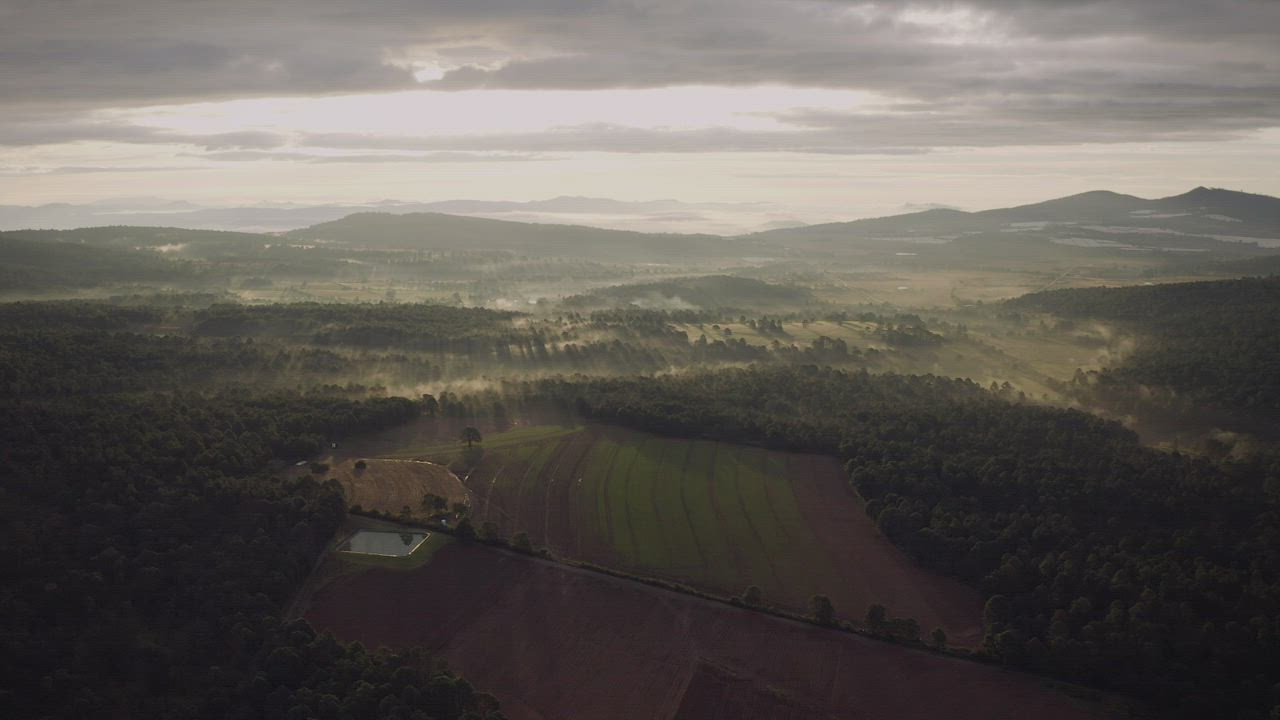
Agriculture and agri-value chains: mills, processors, FPOs, cooperatives, soil carbon, and residue.
Where We Work
Sector-specific ESG, carbon, and climate work. Agriculture, manufacturing, real estate, MSMEs, financial services, and supply chains, plus the mills, plants, and energy assets around them.
Sectors
Agriculture & Agri-Business · Sugar Industry · Manufacturing · Real Estate & Infrastructure · Cement, Steel & Heavy Industry · Chemicals & Pharmaceuticals · Textile & Apparel · Energy & Renewables · MSMEs · Financial Services · Supply Chains & Vendor Ecosystems
Where We Concentrate
Agriculture, manufacturing, real estate, MSMEs, financial services, and supply chains each bring a different mix of regulation, customers, and data. Sugar, heavy industry, chemicals, textile, and energy sit next to those where the mill, the plant, or the asset organises the work.
Agriculture and agri-value chains: mills, processors, FPOs, cooperatives, soil carbon, and residue.
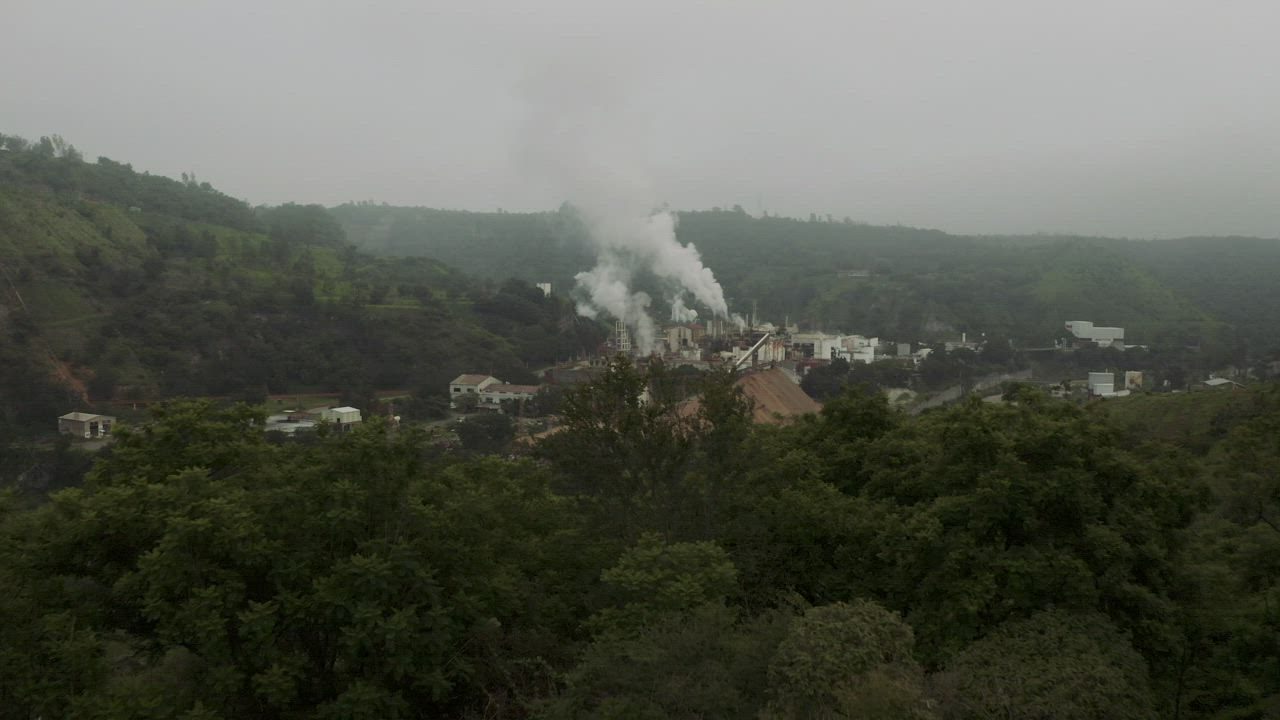
Manufacturing, real estate and infrastructure, sugar, cement and steel, chemicals, textile, and energy.
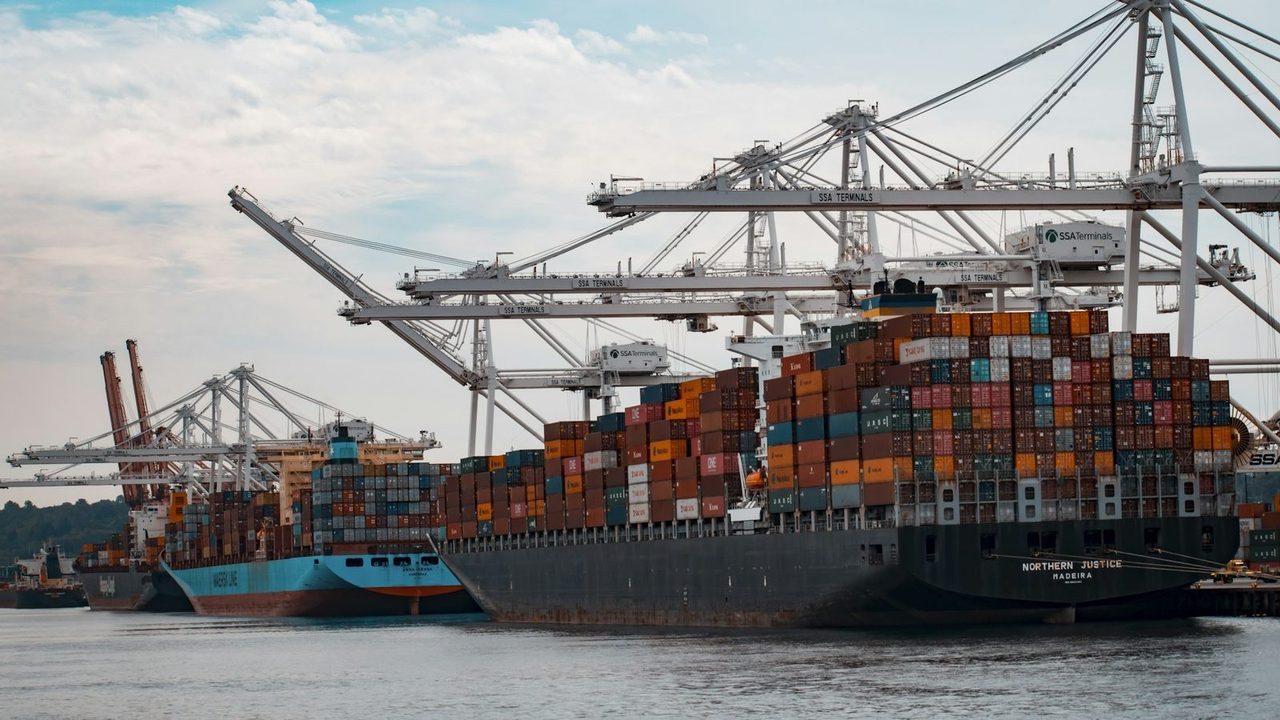
MSMEs needing a proportionate ESG frame, financial services on climate risk, and vendor ecosystems pulled by customer questionnaires.
Sectors
Each page names who we sit with, the levers that usually move, how the four services show up, and how we start. Agriculture, manufacturing, real estate, MSMEs, financial services, and supply chains, plus the mills, plants, and energy assets around them.
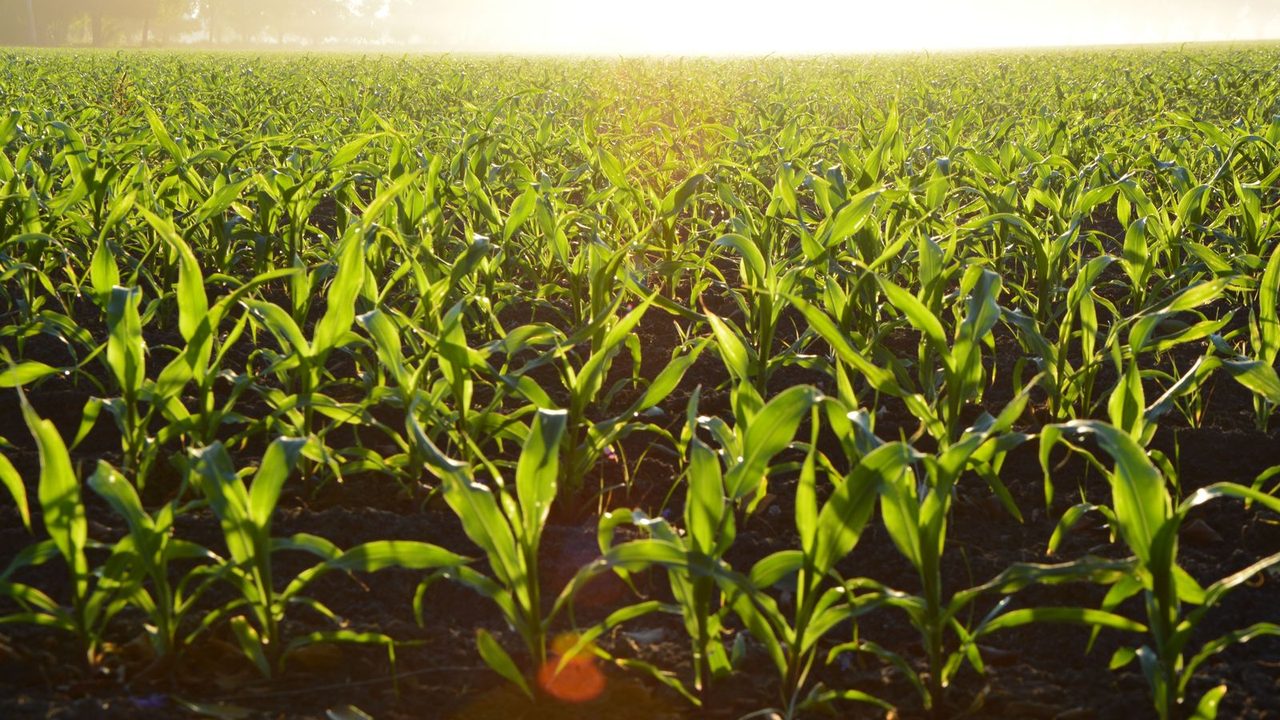
India’s largest untapped climate asset is its farmland. Regenerative practice, residue, and soil carbon become verified credits, and a Scope 3 story corporates can file.
Highest Priority · 13.7% Of India’s GHG
Energy- and water-intensive mills with bagasse, press mud, molasses, and wastewater, ready levers for renewables, biomethane, and credit registration.
Strategic Focus
Electricity, fuel, and process emissions, with customers and investors now expecting a measured, defensible sustainability position.
Engineering · Auto · Foundries

Sustainable built environment and climate resilience: energy, water, waste, carbon, and green-building alignment for assets that have to last.
Built Environment

Among the highest GHG emitters, under tightening regulatory and investor pressure to cut emissions and prove the pathway.
Hard-To-Abate

High energy and water use, hazardous waste, and strict environmental regulation, disclosure has to stand up to audit.
Regulated Operations

Global brands now require suppliers to show ESG performance, lower emissions, and sustainable manufacturing.
Buyer-Driven Disclosure
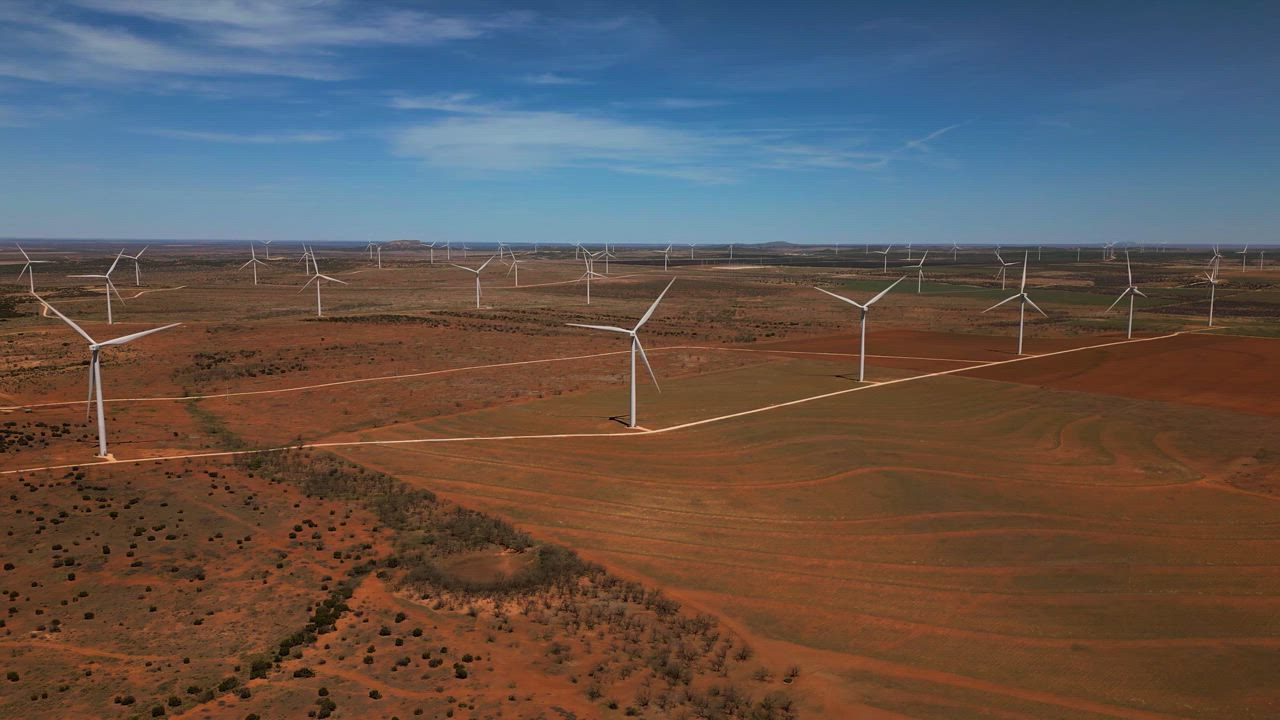
The sector that sits at the center of the low-carbon transition, and of credit generation.
Transition Core

Practical, proportionate ESG and climate readiness for smaller organisations, sized to how they actually operate.
Proportionate ESG
ESG governance, climate risk, and sustainable-finance alignment for institutions that have to judge other organisations as well as their own.
Climate Risk · Sustainable Finance
ESG-ready supply chains: supplier assessment, Scope 3, questionnaires, and digital monitoring for organisations pulled by large customers and global value chains.
Scope 3 · Vendor ESG
How We Enter A Sector
We start with who can organise activity and data, a mill, a plant, an FPO, a developer, a lender, then match the four services to that boundary. Digital MRV rides along when the field or the factory needs an audit trail.
Legal entities, sites, land, assets, or offtake. Year one stays tight.

BRSR, buyer portal, permit, net zero date, lender pack, or a credit idea. One of these should lead.

ESG, carbon, climate finance, transformation. Usually two in the first season.
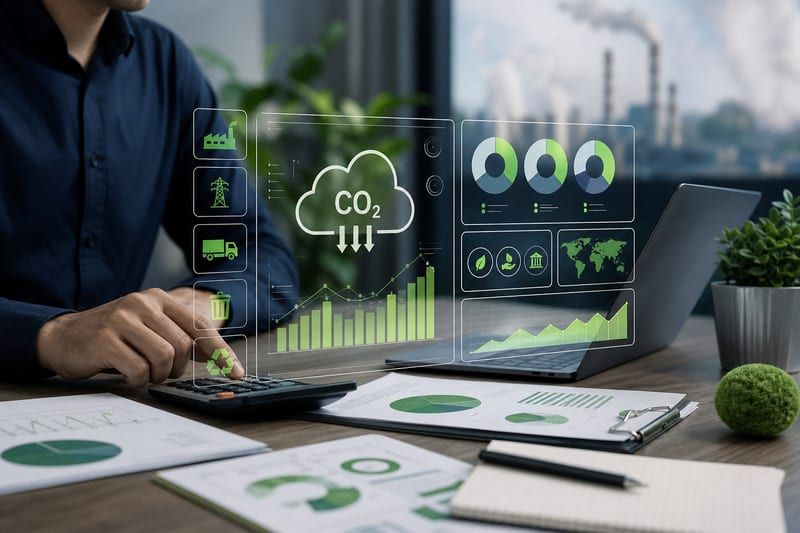
Activity data, factors, and owners so next year is an update.
Ready To Move
Name the mill, plant, FPO, or developer. That is who organises the data.
Reach us directly, or use the form for ESG reporting, carbon accounting, and climate strategy engagements.