
01
Where we work
Global brands now require suppliers to show ESG performance, lower emissions, and sustainable manufacturing.
Buyer-Driven Disclosure
Buyer scorecards · Water · Factory ESG · BRSR · Supply chain · Net Zero
Buyer-Driven Disclosure
Water, energy, and chemicals at the mill are usually the first questions, then the rest of the chain. The work is factory ESG and carbon, water stewardship, supply-chain sustainability, BRSR where the Indian entity is listed, and a mill-level net zero roadmap.
Who We Typically Sit With
Sustainability and commercial teams with a scorecard due, and a factory that has to produce the evidence.



What The Work Looks Like Here
Factory ESG mapped to how the mill runs, ready for a brand portal.
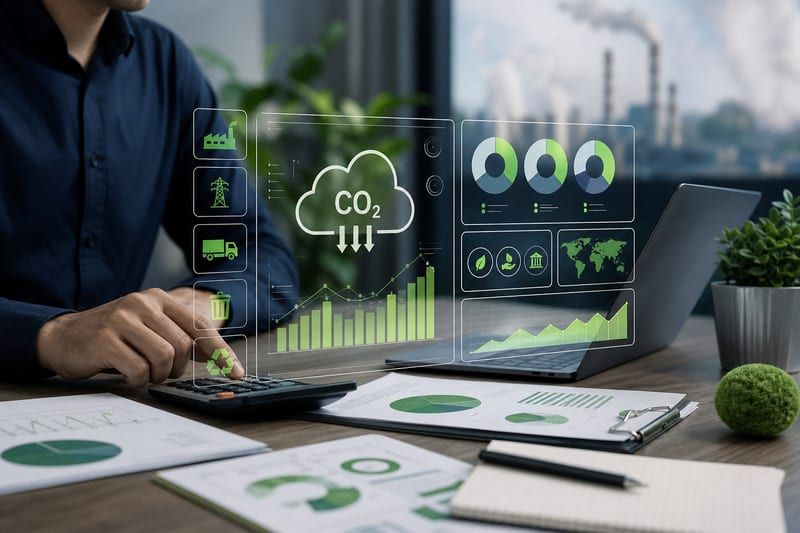
Site carbon, and product-level carbon for the styles or units the buyer named.
Water stewardship at process houses, plus sustainability beyond the first factory gate.
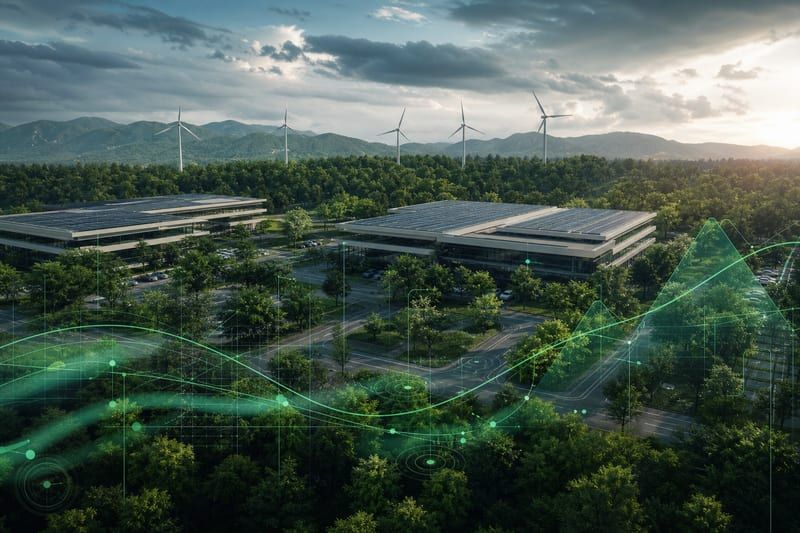
BRSR support for listed entities, and a net zero roadmap that starts with mill energy, water, and process.
Levers In This Vertical
How The Practice Shows Up
ESG assessments and BRSR, aligned between the brand portal and the Indian filing.
Factory and product footprints when the buyer asks for a number.
Water, process, net zero, and supplier engagement beyond tier 1.

How We Start
Which brand, which portal, which facilities they named, and when it is due.
Process-house water, steam, and electricity as they run.
Whether year one is the mill only, or already includes fabric, trim, or logistics Scope 3.
What You Should Have At The End
Answers that match factory evidence.
Energy, process, and, if asked, product carbon.
Stewardship with meters and owners.
Mill-level cuts first, residual later.
Other Buyer-Driven Sectors
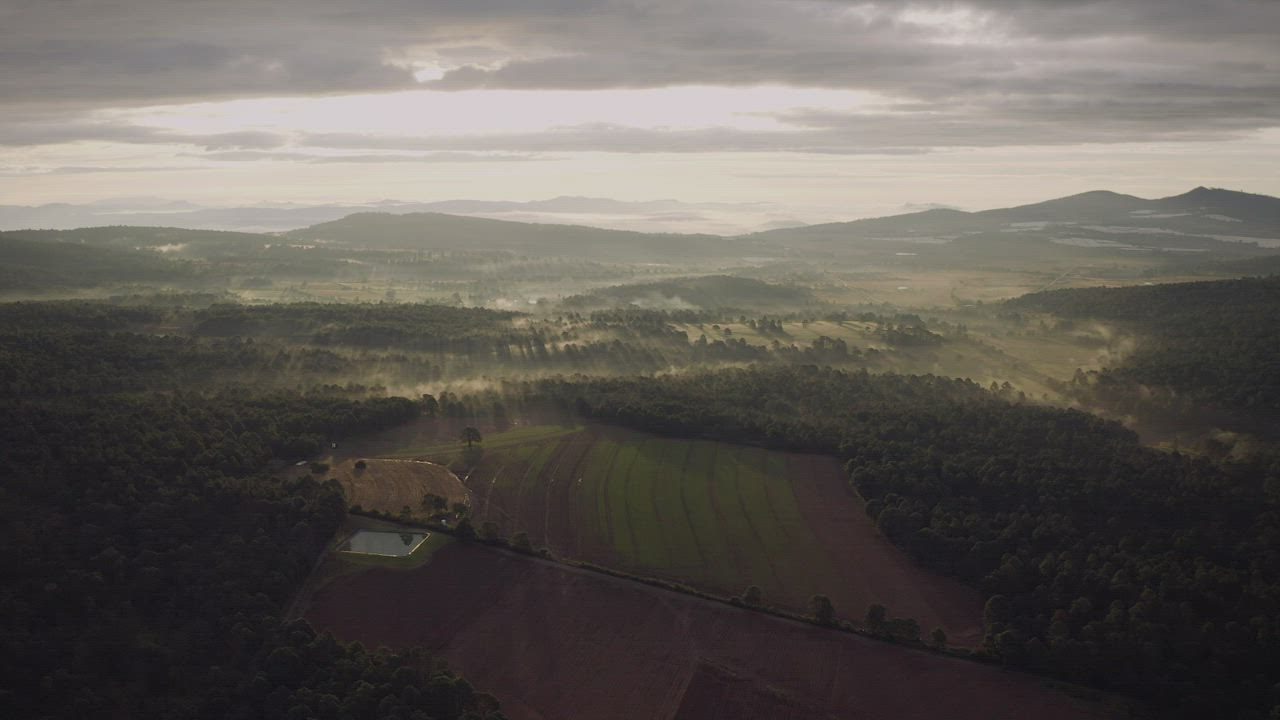
India’s largest untapped climate asset is its farmland. Regenerative practice, residue, and soil carbon become verified credits, and a Scope 3 story corporates can file.
Highest Priority · 13.7% Of India’s GHG
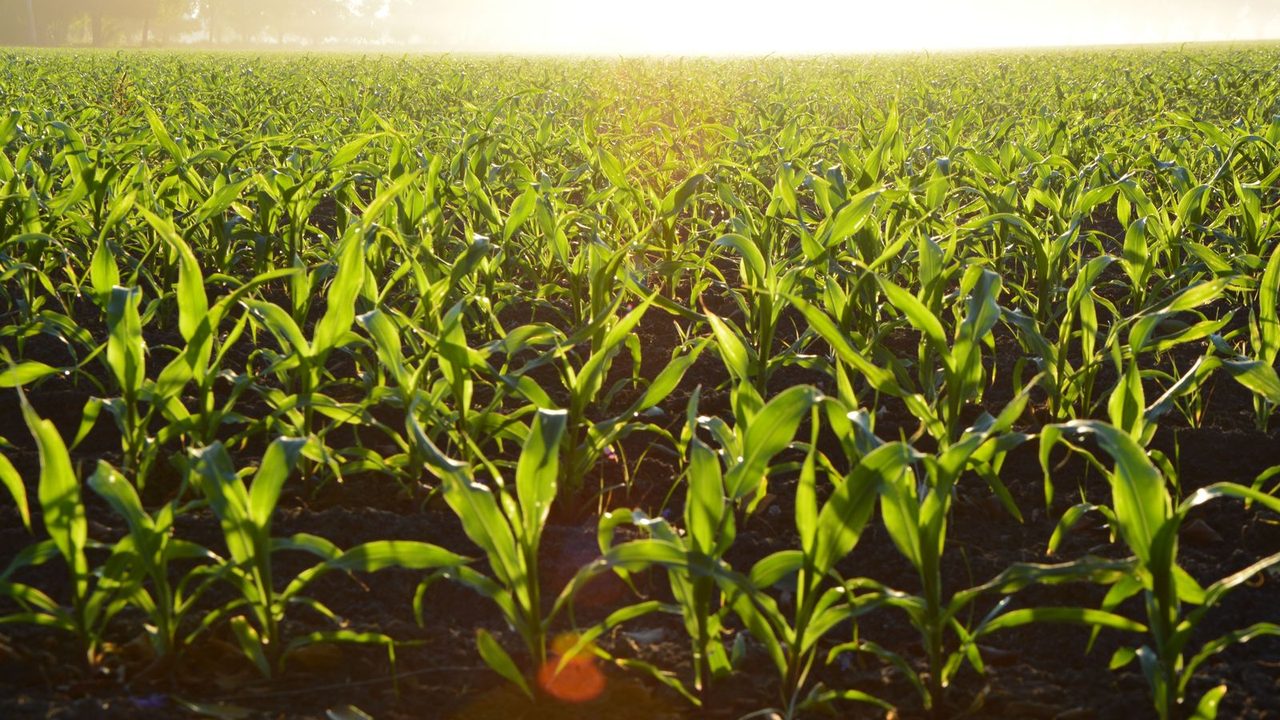
Energy- and water-intensive mills with bagasse, press mud, molasses, and wastewater, ready levers for renewables, biomethane, and credit registration.
Strategic Focus
Electricity, fuel, and process emissions, with customers and investors now expecting a measured, defensible sustainability position.
Engineering · Auto · Foundries
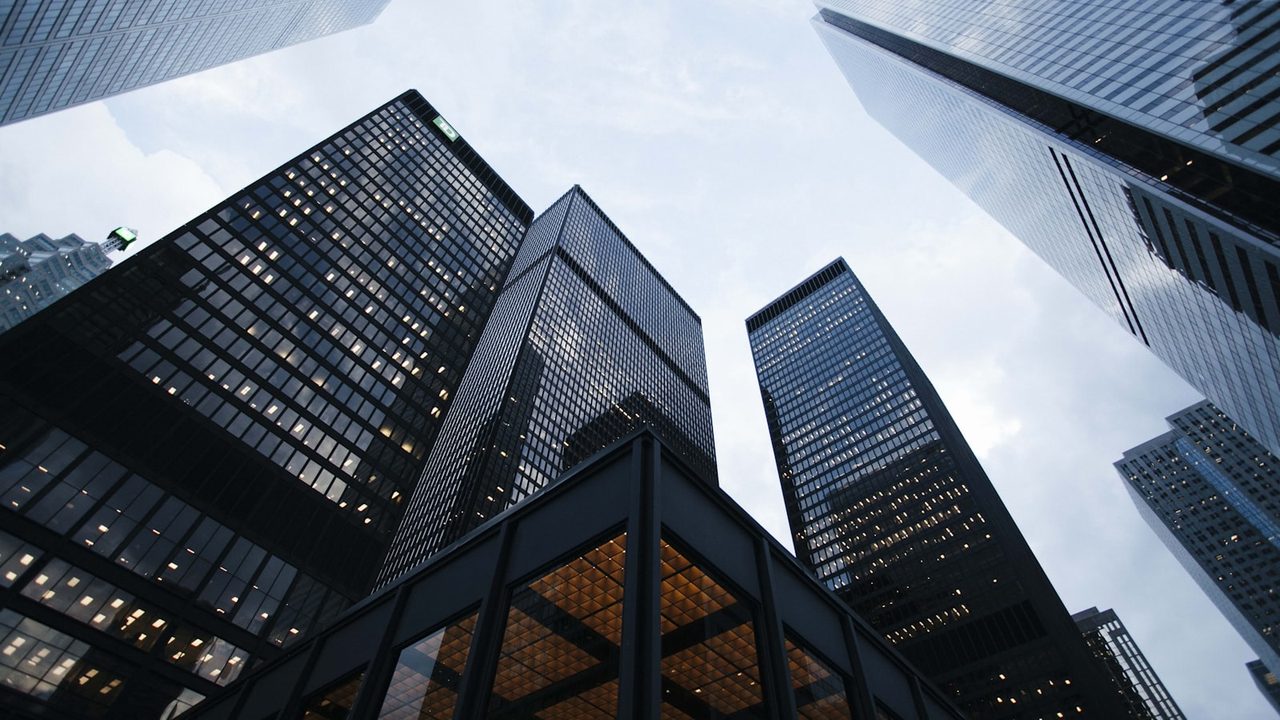
Sustainable built environment and climate resilience: energy, water, waste, carbon, and green-building alignment for assets that have to last.
Built Environment

Among the highest GHG emitters, under tightening regulatory and investor pressure to cut emissions and prove the pathway.
Hard-To-Abate
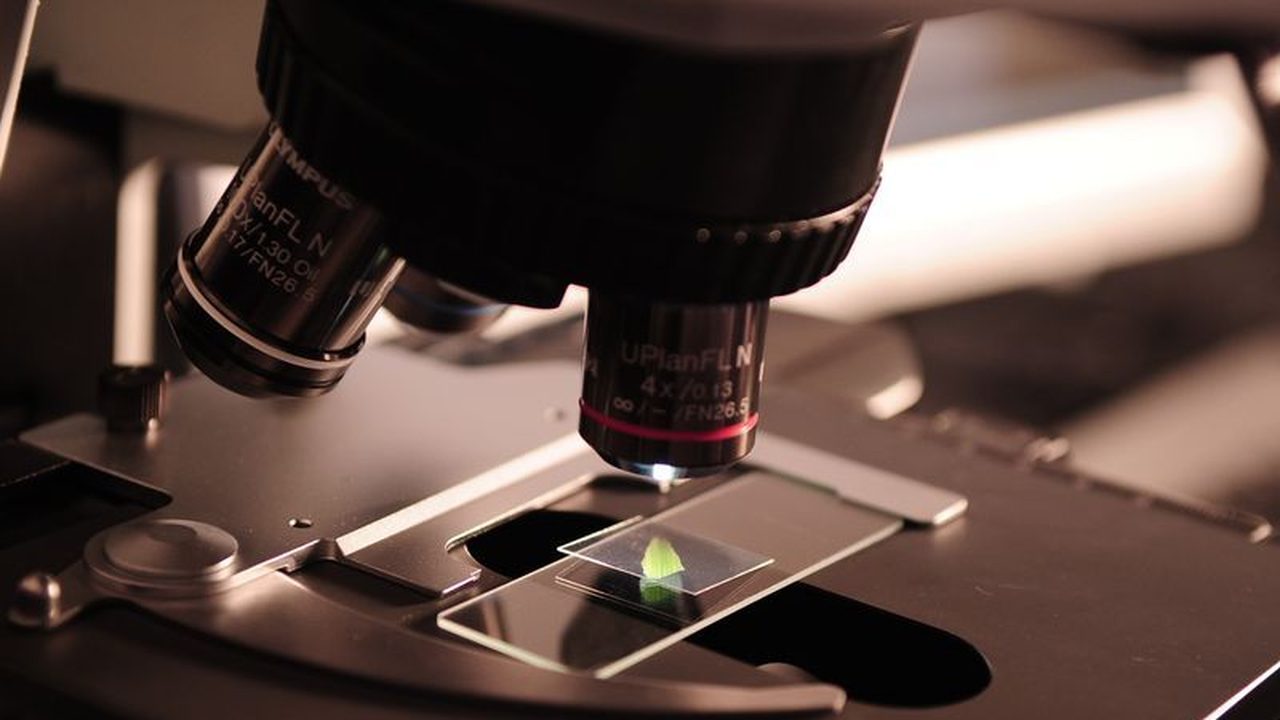
High energy and water use, hazardous waste, and strict environmental regulation, disclosure has to stand up to audit.
Regulated Operations
Ready To Move
Portal name, due date, and facilities listed.
Reach us directly, or use the form for ESG reporting, carbon accounting, and climate strategy engagements.